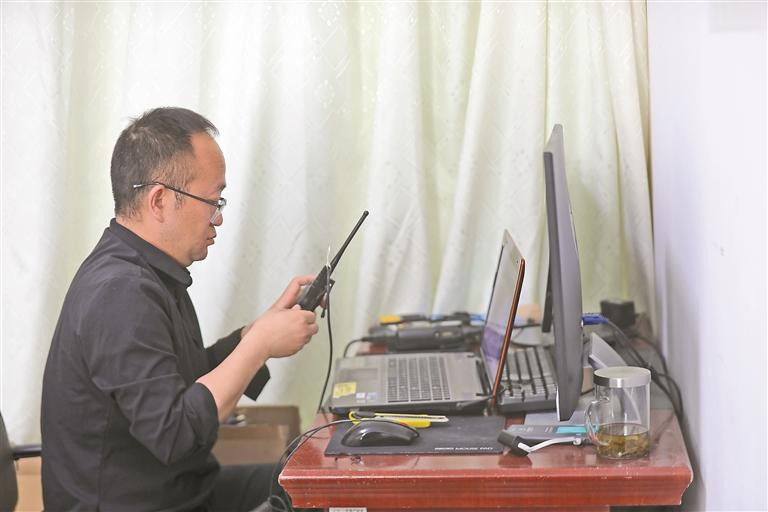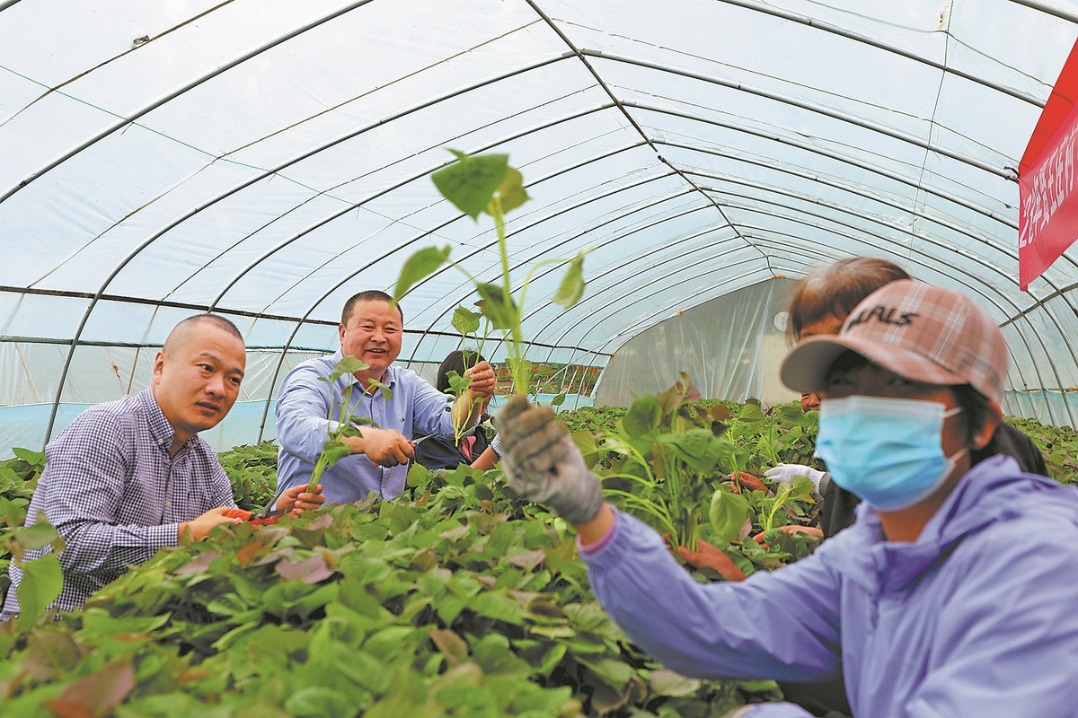



Private firms help push back deserts and poverty









Four years ago, the society launched a program that aims to plant 100 million suosuo in 10 years.
Ai said the payoff for residents is being able to grow Cistanche deserticola - a hardy, perennial, parasitic desert herb used in traditional Chinese medicine - which can be injected into the roots of the trees when they reach 3 years old.
He said the program has been a success, with about 37.5 million trees planted by the end of last year.
The society's SEE Foundation said Cistanche deserticola has been injected into more than 13,000 hectares of suosuo, and that residents can make an annual average of about 12,000 yuan per hectare.
Ai said the foundation is researching the herb to gather data on its medicinal value, and plans to bring in enterprises to process the herb into medicine or healthcare products. "As the yield of the herb continues to increase with the expansion of suosuo planting, the price of the herb may go down, which will affect residents' enthusiasm for tree planting," Ai said. "The introduction of the pharmaceutical industry is needed to give the herb more added value."






- Beijing explores robots to support aging population
- Aid cadre decides to stay permanently in Xizang
- Inner Mongolia's two ports named national smart port models
- Ministry lodges stern representations with US over $11b arms sales plan to Taiwan
- Unlocking life in Gansu: an Egyptian professor's journey with the Five-Star Card
- NE China's Heilongjiang issues highest-level blizzard warning